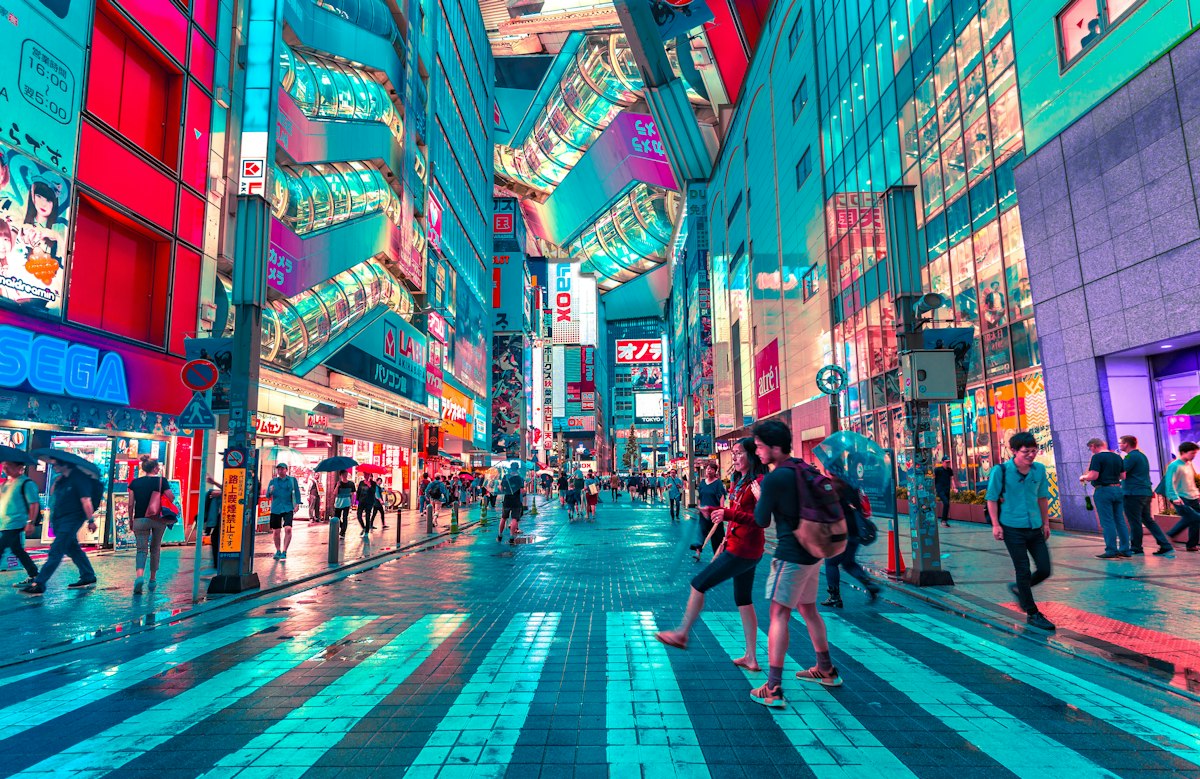
At a glance
| Detail | Info |
|---|---|
| Best months | March–May (cherry blossom), October–November (autumn colour) |
| Avoid | Mid-June to mid-July (rainy season), August (extreme heat & humidity) |
| Currency | Japanese Yen (¥). Carry cash — many small restaurants are cash-only |
| Language | Japanese. English signage is good in transit; limited in local restaurants |
| Visa (UK) | Not required for stays under 90 days |
| Power | Type A/B plugs, 100V. Bring an adapter if coming from the UK |
| SIM / eSIM | Buy an eSIM before you go (Airalo, Ubigi) or rent pocket WiFi at the airport |
| Tipping | Don't. It's not customary and can cause confusion |
Best time to visit Tokyo
March to May is the sweet spot. Cherry blossom season peaks in late March to early April — Shinjuku Gyoen, Ueno Park, and Chidorigafuchi are at their best. The weather is mild (12–20°C), crowds are manageable outside Golden Week, and daylight hours are generous for walking.
October to November is the second-best window. Warm days, cool evenings, autumn colour at Meiji Jingu Gaien and Rikugien Garden. Perfect for walking-heavy itineraries without overheating.
Avoid mid-June to mid-July — this is tsuyu (rainy season). Persistent drizzle, high humidity, and everything takes longer. August is technically dry but 35°C with 80% humidity makes outdoor sightseeing exhausting.
Golden Week warning: Late April to early May is Japan's biggest holiday. Domestic tourists flood Tokyo, hotel prices spike 40–60%, and popular spots like TeamLab and Tsukiji have hour-long queues. Book two months ahead or skip that window entirely.
What to pack for Tokyo
Tokyo is a walking city — you'll average 15,000–20,000 steps a day. Comfortable shoes are non-negotiable regardless of season. Beyond that, it varies dramatically by when you go:
Light layers, a waterproof jacket, compact umbrella — spring showers are frequent but short. Comfortable walking shoes with grip. Allergy medication if you're pollen-sensitive (cedar pollen peaks in March). A light scarf for breezy evenings at outdoor hanami spots.
Breathable cotton or linen. A portable fan and cooling towel are not optional — locals carry both. Waterproof bag for sudden downpours. Sunscreen even on overcast days (UV index stays high). A second shirt to change into midday. Skip jeans entirely.
Medium layers — t-shirt plus a light jacket. A packable rain jacket for early September (tail end of typhoon season). October and November are ideal — warm days, cool nights. A light scarf adds warmth for evening temple walks.
Warm coat, thermals, and gloves. Tokyo winters are dry and clear (2–10°C) — great for photos but cold. Layer for heated interiors vs. cold streets. UNIQLO HeatTech thermals are cheap and effective — buy them on arrival if you want to pack light.
Universal packing tips: Bring slip-on shoes — you'll remove them at temples, some restaurants, and ryokans. A compact day bag (not a backpack) works better in crowded trains. Portable charger is essential — Google Maps and transit apps drain battery fast. Pack a tote bag for konbini (convenience store) trips since plastic bags cost ¥5.
Getting from the airport to the city
From Narita (NRT): Narita Express (N'EX) to Shinjuku or Shibuya takes ~80 min, costs ¥3,250 one-way (¥4,070 return if bought together). Budget option: Keisei Skyliner to Ueno in ~40 min (¥2,520), then transfer to the Yamanote Line. Even cheaper: Keisei Access Express to Aoto (¥1,270), transfer to Asakusa Line — takes ~90 min but saves 60%.
From Haneda (HND): Much closer to the city. Tokyo Monorail to Hamamatsucho (~15 min, ¥500) or Keikyu Line to Shinagawa (~12 min, ¥300). If you're staying in Shinjuku/Shibuya, the Keikyu + JR connection is fastest.
Skip the taxi: Narita to central Tokyo by taxi is ¥20,000–30,000 (£100–150). Not worth it unless you're splitting between four people with heavy luggage after midnight.
Getting around Tokyo
Get a Suica or Pasmo card on arrival at any station machine. It works on every train, metro, bus, and most konbini and vending machines. Tap in, tap out, top up at any machine. Apple Wallet now supports Suica — set it up before you land.
The JR Yamanote Line is your lifeline. It loops through every major district — Shinjuku, Shibuya, Harajuku, Tokyo, Akihabara, Ueno, Ikebukuro. If in doubt, get on the Yamanote.
Google Maps transit is accurate to the minute in Tokyo. It shows exact platform numbers, walking transfer times, and which carriage to board for the closest exit. Trust it completely.
Avoid rush hour on the Chuo and Tozai lines between 7:30–9:30am. It's genuinely at 200% capacity. The Yamanote is crowded but survivable. If you must travel at rush hour, take the Oedo Line — it's deeper underground and less packed.
Pro tip: Download Navitime or Japan Transit Planner before you land. They include platform numbers, which exit to use, and transfer walking times — details Google Maps sometimes misses in complex stations like Shinjuku (200+ exits).
Culture and etiquette — what most guides skip
Don't eat while walking. It's considered rude. Buy your street food, stand near where you bought it, eat it, return the container. Drinking while walking is slightly more acceptable but still unusual.
Tipping doesn't exist in Japan and attempting it can cause genuine confusion or embarrassment. Service is included in everything. If someone chases you down the street, they're returning your "forgotten" money, not asking for more.
Temple etiquette: Bow slightly before entering the torii gate. Walk on the sides of the path — the centre is reserved for the deity. At the purification fountain, rinse your left hand, then right, then pour water into your left hand to rinse your mouth (don't drink from the ladle).
Tattoos and onsen: Many traditional hot springs still refuse entry if you have visible tattoos. Search for "tattoo-friendly onsen Tokyo" in advance. Some offer private baths as a workaround. This is changing slowly, but don't assume you'll be fine.
Queuing is sacred. Japanese queues are orderly, quiet, and patient. Cutting a queue — even accidentally — will earn genuine disapproval. At ramen shops, if there's a ticket machine by the door, buy your ticket before sitting down.
Carry cash. Despite Tokyo being hyper-modern, many small restaurants, ramen shops, street food stalls, and shrines are cash-only. 7-Eleven ATMs accept international cards reliably (Lawson and FamilyMart are hit-or-miss).
Silence on trains. Phone calls are taboo on public transport. Texting is fine, talking to travel companions in a low voice is fine, but phone conversations or loud music will get you stared at.
Daily budget (per person)
Hostel or capsule hotel, konbini meals and standing ramen, free shrines and parks, 24hr metro pass (¥600)
Business hotel, mix of ramen and mid-range restaurants, 1–2 paid attractions (TeamLab, Skytree), IC card travel
4-star hotel, omakase sushi, private tours, occasional taxis, premium experiences and evening entertainment
Money-saving tips: Lunch sets (teishoku) at restaurants are 30–50% cheaper than dinner for the same quality. Konbini food is genuinely excellent — onigiri, bento boxes, and egg sandwiches from 7-Eleven are a daily staple for most locals. Department store basements (depachika) discount prepared food by 30–50% after 7pm.
What most people miss
Shimokitazawa — Tokyo's best neighbourhood for vintage shopping, tiny izakayas, and live music venues. Ten minutes from Shibuya on the Keio Inokashira Line, but tourists rarely find it. Saturday afternoon is the best time.
Yanaka Ginza — A quiet, old-Tokyo shopping street that survived both the earthquake and the war. Cat statues, senbei shops, and a sunset viewpoint at the top of the Yuyake Dandan steps. Zero crowds on weekdays.
Toyosu Market at dawn — Everyone does Tsukiji for street food (and they should), but the wholesale tuna auction at Toyosu Market is the real thing. Free entry, starts at 5:30am. Book the viewing deck in advance online.
Koenji — Tokyo's punk and thrift capital. Hundreds of vintage clothing stores, record shops, and tiny bars. The August Awa Odori dance festival here draws 10,000+ performers and is one of Tokyo's most underrated events.
Todoroki Valley — A hidden ravine in suburban Setagaya with a walking trail, waterfall, and temple. Twenty minutes from Shibuya, feels like a different country. Perfect for a quiet morning before the city wakes up.