At a glance
| Detail | Info |
|---|---|
| Best months | November to February (cool and dry). Avoid April (extreme heat — 40°C+) |
| Avoid | April–May (peak heat), June–October (monsoon season with heavy rain) |
| Currency | Thai Baht (THB). ATMs everywhere — no need to carry much cash |
| Language | Thai. English widely spoken in tourist areas; limited in local neighbourhoods |
| Visa (UK) | 30 days visa-exempt. Can extend to 60 days at immigration office for 1,900 THB |
| Power | Type A, B, C plugs, 220V. Type A adapters are cheap and available everywhere |
| SIM / eSIM | AIS or TrueMove SIM cards at airport (300 THB prepaid). Excellent 4G coverage |
| Tipping | Not expected but appreciated. Round up or leave 10% in restaurants and for guides |
Best time to visit Bangkok
November to February is the ideal window. Temperatures drop to 22–28°C, humidity is bearable, and sunny days are reliable. January is perfect for walking-heavy itineraries without exhaustion. This is peak tourist season — book accommodation and tours ahead.
Songkran (Thai New Year, April) is a unique experience if you don't mind chaos. The city floods with water fights, parades, and street parties for three days (13–15 April). Hotels book months ahead, and the heat is extreme, but it's uniquely Thai. Many travellers specifically visit for this.
Avoid April and May entirely if you can. Temperatures spike to 40°C with 70% humidity — even locals stay indoors during the day. Walking becomes painful, street food tastes wrong when you're overheated, and sunburn happens within an hour at noon.
June to October is monsoon season. Heavy afternoon downpours are daily, flooding blocks some minor streets, and outdoor sightseeing is frustrating. March is shoulder season — still hot (32–35°C) but cheaper and less crowded than the cool season. If you visit then, plan indoor activities (museums, malls, temples with AC) for midday.
What to pack for Bangkok
Bangkok is a humid, hot city year-round. The difference between seasons is not so much temperature but how much rain falls and whether you can be outside at noon without wilting.
Light cotton/linen clothing — long sleeves and lightweight trousers for temple visits and respectful restaurant entrances. A light cardigan or long-sleeve shirt for restaurant air-con (it's aggressive). Comfortable walking sandals with arch support. A compact umbrella — occasional drizzle despite "dry" season.
Breathable, loose-fitting cotton only. Minimal clothing — tank tops and shorts are standard for locals. A wide-brimmed hat and high-SPF sunscreen (reapply hourly). Sunglasses. A portable cooling towel. Waterproof bag for your phone — sweat and humidity destroy electronics. A portable fan if you're heat-sensitive. Stay hydrated obsessively.
Quick-dry clothing. Waterproof or treated fabrics — your clothes will get soaked daily. A quality rain jacket or poncho (ponchos work better on tuk-tuks). Waterproof bag for electronics and documents. Moisture-absorbing powder for feet — fungal infections thrive in wet conditions. Umbrella is less useful than you'd think — the rain is often horizontal.
Shoulders and knees covered (non-negotiable at major temples). Lightweight scarves work well for covering shoulders without overheating. Lightweight trousers or maxi skirts. Slip-on shoes — you'll remove them before entering. Avoid all-black clothing (reserved for funerals). White is disrespectful near royal imagery. Neutral, modest colours only.
Universal packing tips: Slip-on shoes are essential — you'll remove them constantly (temples, homes, some restaurants). A small day backpack works better than a tote — weather is unpredictable. Mosquito repellent with DEET is crucial — dengue fever and chikungunya are real risks. Bring it from home or buy at 7-Eleven. A portable charger is essential — humidity and constant use drain batteries faster. Lightweight, breathable undergarments dry faster in humid conditions.
Getting from the airport to the city
Suvarnabhumi Airport (BKK): Bangkok's main international airport, 25km east of the city. The Airport Rail Link (ARL) is the fastest and cheapest option: 45 THB to downtown (Phaya Thai Station), takes 30 minutes. Train runs every 15 minutes, 6am–midnight. From Phaya Thai, connect to the BTS Skytrain for your hotel area. Taxis are everywhere outside Arrivals, but insist on using the metre — expect around 300–400 THB to central Bangkok (Silom, Sukhumvit). Grab (Thailand's Uber) is reliable, often 250–350 THB, and avoids metre negotiations.
Don Mueang Airport (DMK): Bangkok's second airport, 25km north, mostly used by low-cost carriers (AirAsia, Lion Air). Far fewer transport options — buses and taxis only. A&E Bus AC runs to the city (THB 50, 90 min). Grab is better if available. Don Mueang is less convenient; airlines should be a factor in booking choice.
Which airport for which airlines: Thai Airways, Cathay Pacific, Lufthansa use Suvarnabhumi. Most budget carriers (AirAsia, Nok Air, Thai Lion) use Don Mueang, though AirAsia occasionally uses both. Check your booking confirmation.
Getting around Bangkok
BTS Skytrain: Bangkok's elevated metro. Fastest way to cover central Bangkok (Silom, Sukhumvit, Siam). Trains every 3–5 minutes, 6am–midnight. Buy a Rabbit Card (contactless) at any station for 150 THB (includes 50 THB credit). Single journeys cost 15–42 THB depending on distance. Air-conditioned, clean, and reliable.
MRT (underground metro): Complements the BTS. Slower but covers different areas. Same card system — Rabbit Card works on both. Same payment structure (15–42 THB per journey). Use Google Maps — it shows you which system is faster for each trip.
Chao Phraya boats: The river is faster than roads during rush hour. Orange flag boats are cheap (THB 15–20), run all day, and stop at major temple/market piers. Tourist boats are triple the price and packed with package tourists — avoid them unless you specifically want a sightseeing tour.
Grab over taxis: Grab (Thailand's app-based transport) is cheaper and avoids metre arguments. Expect 50–150 THB for short journeys. Regular taxis have metre problems — drivers refuse to use them or "forget" to turn them on. Use Grab or insist on the metre at pickup.
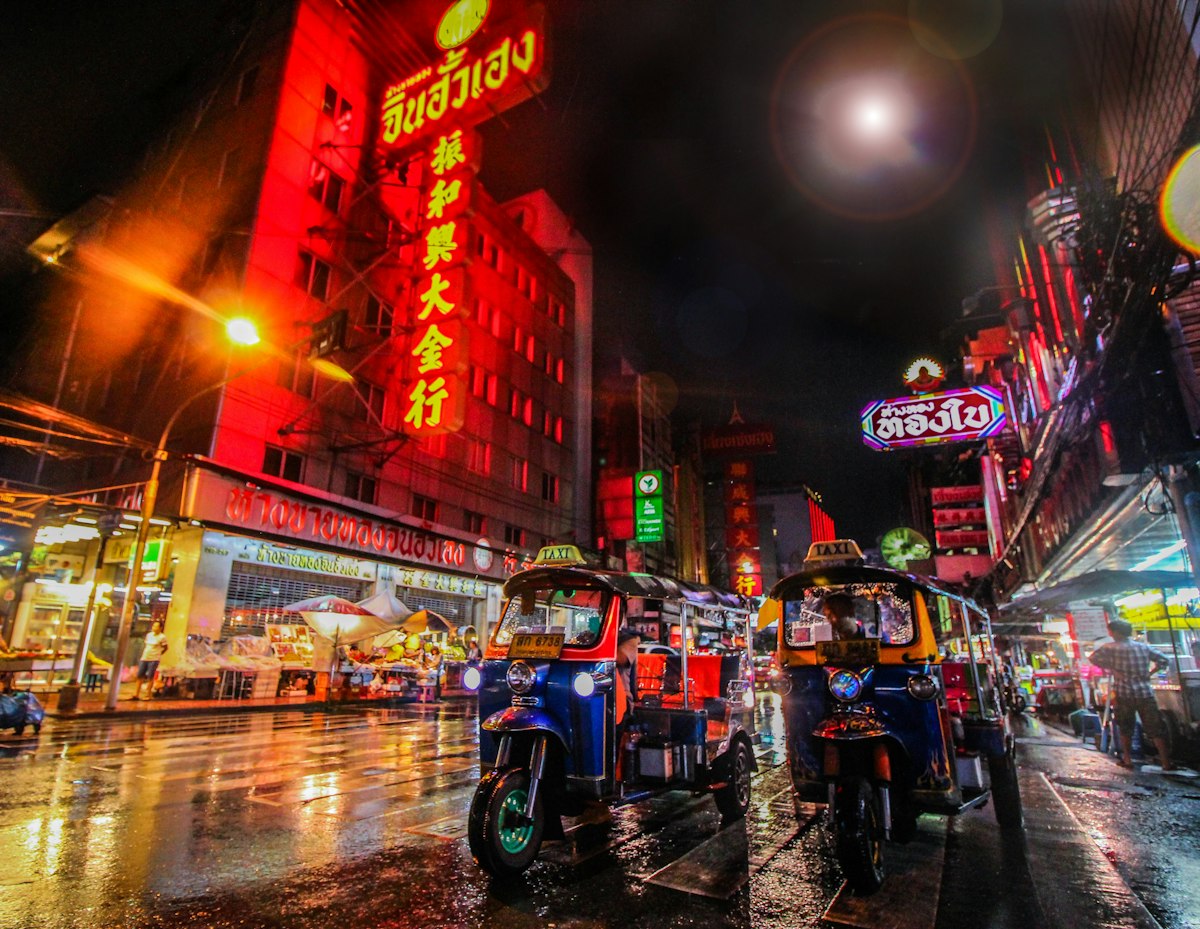
Tuk-tuks are a tourist trap. Charming but always overpriced for tourists and slow (traffic-dependent). Fine for photos and experience, terrible for actual transport. Negotiate price before getting in (no metres on tuk-tuks). Expect 100–300 THB depending on distance and negotiation skill.
Canal boats for rush hour: If you're stuck in traffic, khlong (canal) boats are faster. Small boats ferry locals, cost 10–20 THB, and are an authentic experience. Most tourists never use them.
Culture and etiquette — what most guides skip
Don't touch anyone's head. The head is sacred in Thai culture — even a pat on a child's head is deeply offensive. This includes hair unless you're in a salon or they initiate physical contact.
Feet are offensive. Never point your feet at Buddha statues, monks, or people. Sit with your feet tucked when possible. Pointing with your feet is an insult. When sitting on the floor, tuck feet behind you. This applies strictly in temples but is appreciated everywhere.
Shoes off at temples and many homes. Always remove shoes before entering a temple or someone's home. There's usually a shoe rack by the door. Many upmarket restaurants also require shoe removal.
The wai greeting: Hands pressed together at chest level with a slight bow. Thais do this more often than you'd think — when greeting, thanking someone, or saying goodbye. You don't have to do it (they don't expect foreigners to), but it's appreciated. The higher your hands near your face, the more respect you're showing.
Royal family respect is SERIOUS. Lese-majeste laws are strict — never make jokes about the Thai king, queen, or royals. Never disrespect images of them (they're on banknotes, in shops, on walls). During the national anthem (plays at 8am and 6pm), stop what you're doing and stand quietly. Thais take this very seriously; tourists have been arrested and deported for disrespecting royalty.
Monk etiquette: Women cannot touch monks or hand things directly to them — use a small table or the monk will take it with a cloth. Monks cannot sit next to or eat with women. When walking past monks, bow slightly. Monk robes are sacred — never sit on them or treat them casually.
Bargaining at markets but not 7-Eleven. At floating markets, night bazaars, and street stalls, prices are negotiable and expected to be haggled. Start at 50% of asking price, meet somewhere in the middle. At 7-Eleven, supermarkets, and malls, prices are fixed — bargaining makes you look ignorant. Street food stalls have set prices too.
Daily budget (per person)
Hostel or guesthouse, street food and simple restaurants, free temples and parks, local transport (BTS/MRT day pass ~100 THB)
Mid-range hotel, mix of street food and mid-range restaurants, 1–2 paid attractions, regular Grab rides, occasional temple tours
4-star hotel, upmarket restaurants, private tours and guides, Grab everywhere, premium experiences (cooking classes, spa), evening entertainment
Money-saving tips: Street food is genuinely excellent and costs 30–60 THB per meal (£0.60–£1.30). Eat where locals eat — busy stalls with queues are always better than tourist-facing places. Night markets (Chatuchak, Talat Noi) have insane food value. Temples and parks are free. Massages cost 150–300 THB for an hour — half UK prices and actually therapeutic. Buy groceries at Big C or Tesco Lotus if you're staying longer than a few days.
What most people miss
Bang Rak neighbourhood — A historic quarter with old timber houses, tiny temples, and charming cafes along the river. Most tourists never venture here. Walk the quiet sois (lanes) in late afternoon. Zero crowds, authentic Bangkok vibe, great for photography.
Talat Noi street art — Bangkok's street art heartland, squeezed between old shophouses and narrow alleys near the river. Murals cover every wall. Early morning (7–9am) is quietest, perfect for photos and exploration. Grab a coffee from a local shophouse cafe and wander for hours. You'll find restaurants and bars here that tourists never find.
Khlong Toei Fresh Market at dawn — Bangkok's largest fresh market, frozen at 4am when vendors set up. The energy is insane — produce, fish, flowers, everything. Go at 5–6am, explore, grab breakfast from a stall vendor. By 9am it's winding down. Tourists who visit at noon miss the magic entirely. It's chaotic and authentic in a way no tourist market can replicate.
Bang Krachao — the green lung — An island in the Chao Phraya River, 30 minutes south of downtown, with cycling routes, orchards, gardens, and quiet river scenery. Rent a bike (40 THB per day) and cycle all afternoon. Locals come here to escape the city heat. Zero tourist infrastructure but that's the appeal. Bring water and snacks.
Yaowarat (Chinatown) by night, not day — Everyone visits Chinatown by day (crowded, sticky, overwhelming). Return at 8pm when street food stalls take over the roads, the energy becomes electric, and locals fill restaurants shoulder-to-shoulder. The night market is magical. Day time is a tourist market; night time is where Bangkok actually eats.